
When Crisis Meets Hope: A Florida Family’s Guide to the Marchman Act
Ignition Point: When Crisis Meets Hope in the Sunshine State
Florida’s addiction crisis collides daily with families searching for hope. This ignition point demands swift, informed, and compassionate action. The Marchman Act Florida framework offers that lifeline by translating legal authority into recovery momentum. Understanding data, symptoms, and regional resources empowers loved ones to act before tragedy strikes. Throughout this section, we illuminate how recognizing urgency converts despair into decisive intervention.
Addiction statistics that demand attention in Florida
Florida’s population boom, outlined by recent state demographics, magnifies substance misuse challenges across urban and rural areas. Opioid overdose deaths rose sharply, outpacing national averages, and fentanyl presence surged in every Florida district court jurisdiction. Alcohol-related hospital admissions also climbed, stressing already stretched public health resources. These numbers confirm addiction is not isolated; it is a statewide emergency. Families armed with knowledge can leverage the Florida Marchman Act to counter these alarming trends.
Floridians aged eighteen to thirty account for the fastest-growing segment entering detox, according to Department of Health reports. Veterans and seniors show rising polysubstance use, complicating treatment protocols and outcome measurements. Disparities persist in access to addiction treatment services, particularly in inland counties lacking specialty facilities. The Marchman Act, Florida, petitions level the playing field by mandating assessment regardless of insurance or income. Statistics, therefore, become a springboard for compassionate coercion rather than a source of paralysis.
Reading the body and mind signs of withdrawal before it is too late
Withdrawal is a bio-psycho-social alarm, often ignored because symptoms masquerade as flu or mood swings. Tremors, clammy skin, and unexplained sweats signal alcohol or benzodiazepine dependence, demanding medical detox. Psychological red flags-agitation, paranoia, or vivid nightmares-suggest stimulant or opioid withdrawal risk. Recognizing these early signs prevents seizures, delirium tremens, or fatal relapse-prompt action through a Florida Marchman Act petition channels that urgency into structured care.
Families frequently misinterpret irritability and sleep disruption as typical stress, delaying help. Clinicians emphasize that changes in pupil size, gastrointestinal distress, or sudden weight loss warrant immediate assessment. Documenting episodes strengthens evidence when filing within the Florida court system. Intervention specialists guide caregivers in compiling affidavits that capture the frequency, duration, and severity of the intervention. This meticulous approach ensures that courts appreciate the gravity and stabilization of order quickly.
Baker acted versus Marchman acted, understanding the legal crossroads
Florida offers two landmark statutes for crisis intervention: the mental health-focused Baker Act and the substance use-specific Marchman Act. The Baker Act addresses imminent harm tied to mental illness, prioritizing psychiatric evaluation and short-term safety. The Florida Marchman Act, conversely, targets substance use disorders, enabling longer assessment and court-ordered rehab in Florida programs. Choosing correctly avoids procedural delays and maximizes clinical relevance. Families must weigh suicidal ideation, psychosis, and drug toxicity when selecting the appropriate statute.
Legal scholars highlight overlapping scenarios, such as dual diagnosis, where both statutes might apply. Courts typically prefer the Marchman Act when addiction is primary and sustained detox is needed. Recent case law highlights judges’ willingness to transfer petitions for the sake of jurisdictional clarity. Reading appellate opinions refines family strategy and reduces the risk of dismissal. For an in-depth comparison, explore this detailed Baker Act overview versus the Marchman Act.
Why near me matters: regional resources and rapid response
Timing defines survival during overdose waves; therefore, nearby resources become critical. Families searching for “Marchman Act near me” can quickly locate interventionists, detox centers, and sober transport. Regional familiarity streamlines filing logistics within specific Florida civil procedures and clerk offices. Proximity also reduces travel trauma for individuals in withdrawal, enhancing compliance with crisis stabilization services. Rapid response fosters trust, crucial when coercion feels frightening.
Smaller counties often lack inpatient beds, making a resource map invaluable. Telehealth triage bridges gaps, but physical access to Intensive Outpatient Programs or ambulatory detox remains essential. Families may use a geographic directory to identify judges familiar with substance abuse legal options. For personalized guidance and localized expertise, find Marchman Act help near me. Leveraging near-you networks transforms isolated households into supported recovery ecosystems.
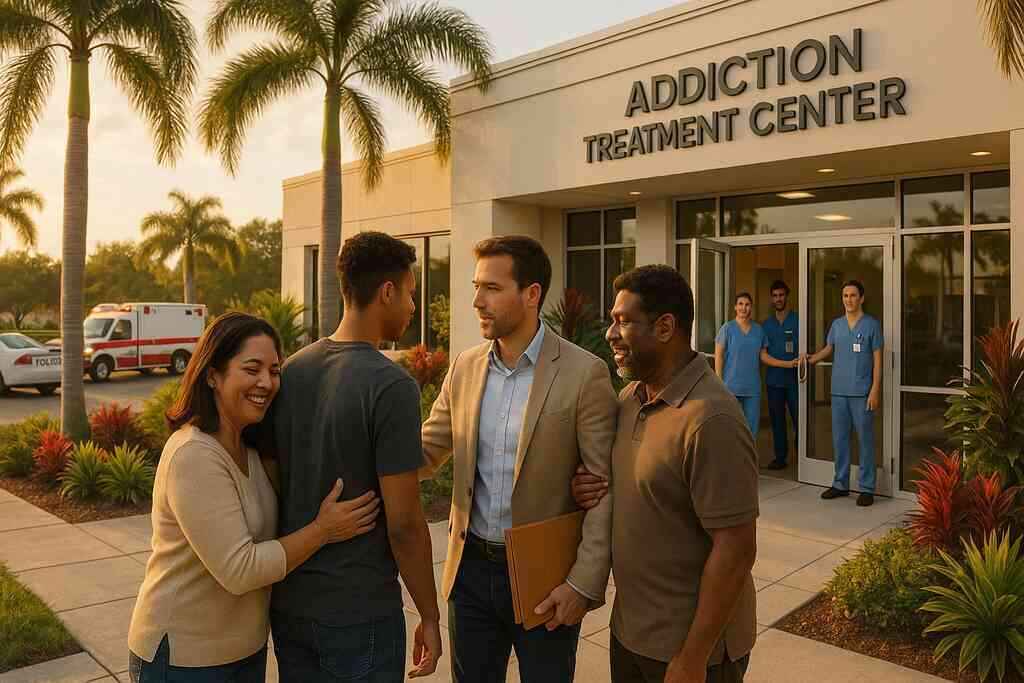
The Legal Lattice Decoding the Marchman Act Framework
Florida civil procedures that empower families to act
Florida civil procedures give everyday families a precise roadmap when addiction spirals beyond voluntary choice. Chapter 397, the Florida Marchman Act, blends health code language with due-process safeguards, allowing relatives to seek assessment without criminalizing loved ones. Petitioners file sworn affidavits in the clerk’s office, and judges can sign ex parte orders the same day, which accelerates medical stabilization. Importantly, the statute mirrors broader Florida civil lawsuits rules, so evidence standards and service requirements stay consistent with other protective petitions. This parity reassures hesitant relatives that they are using a trusted legal channel, not an experimental shortcut.
Because timelines in the Florida court system move quickly, every detail matters. Petitioners must document current substance misuse, prior treatment attempts, and recent harmful behaviors, creating a compelling narrative. Courts then balance personal liberty with public safety, often erring on intervention when credible harm appears imminent. Seasoned clerks suggest attaching medical records or police reports to demonstrate urgency. Families unsure about formatting can lean on Marchman Act treatment in Florida professionals, who routinely translate emotional stories into court-ready language. Their guidance prevents technical dismissals that might otherwise leave someone trapped in relapse.
Step-by-step journey of a Marchman Act petition in local district courts
The journey begins at the county clerk’s window, where two short forms launch the petition. After filing, process servers deliver copies to the respondent within three days, satisfying constitutional notice. A probable-cause hearing will follow within five business days, during which judges will decide whether to order a short stabilization hold. If granted, law enforcement transports the individual to a licensed facility, where detoxification begins. That immediate handoff illustrates how legal authority fuels clinical momentum.
Next, a full hearing is held within fifteen days, featuring testimony from family members, addiction counselors, or emergency physicians. Judges may then issue a 60-day treatment mandate, which is extendable to 90 days upon showing good cause. Facilities must submit written progress reports, creating accountability loops between clinicians and courts. Should someone leave against medical advice, a pick-up order can compel return, reducing dropout risk. Families unfamiliar with courtroom cadence often rely on interventionists for day-of support, ensuring all statements meet evidentiary thresholds.
Key Florida Supreme Court and appellate rulings shaping involuntary treatment
Over the years, the Florida Supreme Court has refined the constitutional boundaries surrounding involuntary commitment laws. In P.R. v. State, justices confirmed that clear and convincing evidence remains the burden of proof, protecting personal liberty while honoring public health goals. Later appellate opinions clarified that hearsay may supplement, but not replace, firsthand testimony during final hearings. These decisions encourage families to gather direct witnesses rather than rely solely on arrest records. Consequently, petitions today include neighbors, employers, or sober coaches who can attest to functional decline.
Additional cases address due-process timing. Courts now require that stabilization holds begin within 24 hours of issuance, limiting needless detention in county jails. Judges who miss statutory deadlines risk reversal, so clerks vigilantly track calendars. For petitioners, this means faster admission into detox and fewer days in legal limbo. Practitioners stay current by reading summaries from district courts, ensuring their strategies align with precedent. Articles on navigating Marchman Act legal complexities distill fresh opinions into actionable checklists.
Family intervention specialists as navigators through the Florida court system
Even confident families can feel overwhelmed when confronting courtroom etiquette, sworn testimony, and cross-examination. Certified intervention specialists act as translators, converting emotional pleas into precise legal language. They coordinate notarization, arrange process servers, and schedule expert witnesses, thereby lifting administrative weight from relatives. Additionally, they coach petitioners on calm delivery, reducing the risk of adversarial outbursts that might sway judicial perception. This steady guidance often determines whether a judge perceives urgency or family discord.
Interventionists also liaise with detox centers to secure beds before hearings conclude, proving logistical feasibility. Judges appreciate knowing a spot is available, enhancing the likelihood of an immediate placement order. These professionals maintain relationships across Florida district courts, so they understand each judge’s procedural quirks. When paperwork issues arise, they can amend forms on the spot, preventing costly continuances. Ultimately, their presence transforms legal labyrinths into manageable pathways, increasing success rates for Marchman Act petitions.
County snapshots filing a Marchman Act in Alachua to Washington County
Procedures remain consistent statewide, yet local nuances still matter. For example, Gainesville clerks encourage e-filing, making a Marchman Act filing in Alachua County possible within minutes. Meanwhile, rural Washington County requires in-person submissions and schedules hearings only on Thursdays, necessitating extra planning. Broward County maintains a dedicated Marchman docket, expediting cases but imposing stricter document formatting rules. Understanding each county’s rhythm prevents missed hearings and unnecessary travel.
Transportation logistics differ as well. In Bay County, sheriff deputies commonly execute pick-up orders, whereas Duval contracts private security for humane transfers. Miami-Dade leverages its extensive treatment network, offering multiple placement options within a five-mile radius. Conversely, Washington County families sometimes drive clients to adjacent districts with available beds, illustrating the importance of early facility coordination. By mapping county-specific details, petitioners anticipate challenges and maintain recovery momentum.
Compassionate Coercion: Translating Court Orders into Clinical Momentum
Crisis stabilization services bridging the gap between the courtroom and detox
Court-signed pick-up orders move quickly, yet medical beds must already await the client. Crisis stabilization services harmonize this timing by coordinating the arrival of law enforcement with immediate nursing intake. Experienced teams secure medications, monitor vitals, and document progress for the Florida court system. Their presence reassures judges that compulsory action produces measurable safety, not punitive holding. Families witnessing this seamless transition often describe the moment as one where hope finally outpaces chaos. transforming Florida recovery paths with the Marchman Act demonstrates how such alignment saves lives.
Stabilization units also educate loved ones about withdrawal timelines, reducing fear and encouraging compliance. Staff explain why tremors or hallucinations indicate progress rather than failure. They highlight Florida civil procedures that protect privacy during bedside assessments, reinforcing dignity despite coercion. Meanwhile, clinicians gather data that will inform longer treatment recommendations. That evidence, later presented in district courts, ensures ongoing orders reflect genuine clinical need, not outdated assumptions.
From medical detox to Intensive Outpatient Programs, evidence-based pathways
Medical detox clears toxins, yet neurobiological healing continues for months. Evidence shows that individuals completing detox alone relapse at alarming rates. Therefore, the Marchman Act Addiction Treatment establishes a bridge to Intensive Outpatient Programs, combining counseling, medication management, and peer support groups. This continuum satisfies judges who want to see durable plans rather than quick fixes. The widely referenced intensive outpatient program approach underlines why stepped care remains best practice.
During IOP enrollment, therapists integrate cognitive-behavioral therapy, relapse education, and family dialogues. Clients attend several weekly sessions while gradually resuming work or school. Progress notes are submitted to the court, demonstrating compliance with Florida civil lawsuit provisions. When setbacks occur, counselors adjust frequency rather than discharging prematurely. This adaptive strategy supports the Marchman Act near you mandates while preserving client motivation.
Integrating RECO Intensive programs for an individualized continuum of care
RECO Intensive programs excel at personalizing therapy modules to match trauma history, age, and cultural identity. Their multidisciplinary staff collaborates with intervention specialists to ensure court orders translate into client-centered plans. Marchman Act Florida cases often involve polysubstance use, requiring nuanced medication protocols that RECO clinicians routinely manage. They also coordinate with RECO Institute housing to create seamless transitions between therapy hours and sober living nights. Such integration increases retention, a critical predictor of long-term recovery.
Families benefit from RECO’s caregiver workshops, which decouple enabling behaviors from genuine support. Sessions illuminate the Marchman Act’s influence on caregiver support and teach boundaries aligned with court guidelines. By empowering relatives, RECO pushes compassionate coercion beyond the courtroom, fostering sustainable change within home environments.
Holistic Florida rehab protocols, trauma therapy, nutrition, and mindfulness
Trauma often fuels substance misuse, so holistic rehab must treat body, mind, and spirit simultaneously. Florida Marchman Act providers weave EMDR, yoga, and nutritional counseling into daily schedules. Mindfulness training reduces cortisol, improving emotional regulation during stressful court check-ins. Dietitians design anti-inflammatory meal plans that stabilize blood sugar levels, thereby decreasing cravings. Research on understanding substance abuse disorders supports these integrative tactics.
Clients also learn sleep hygiene, art expression, and breathwork, creating diversified coping arsenals. These modalities complement AA Meetings near me and NA Meetings near you, offering internal skills to accompany external fellowship. Judges increasingly request holistic progress summaries, recognizing that wellness markers predict legal compliance. As a result, facilities must document meditation attendance alongside urinalysis results, blending science with serenity.
Monitoring compliance and progress within the court-ordered rehab in Florida
The Florida Supreme Court expects transparent reporting to safeguard civil liberties. Therefore, treatment centers deploy electronic dashboards tracking attendance, medication adherence, and toxicology outcomes. Alerts notify staff when metrics dip, triggering rapid interventions rather than punitive discharge. This proactive stance aligns with the Marchman Act statute’s details, which require the least restrictive yet effective measures.
Monthly status hearings review these dashboards, giving judges real-time insight rather than retrospective conjecture. Counselors testify to behavioral milestones, while clients present personal reflections, reinforcing accountability. When progress stalls, the court can extend services without resorting to incarceration, honoring the precedent of involuntary commitment laws. Ultimately, data-driven monitoring ensures compassionate coercion stays both humane and results-oriented.
Community Constellations Building Support Beyond Treatment Walls
Sustained sobriety flourishes when court orders align with community support. Florida families discover that a robust support constellation converts temporary stabilization into lifelong health. Marchman Act professionals, therefore, weave sober housing, fellowship meetings, coaching, and public services into one interconnected network. Each element reinforces accountability while allowing personal choice, satisfying treatment courts, and empowering clients simultaneously. The following subsections explain how these resources operate together across the Sunshine State.
Transitioning to sober living with Top Sober House and RECO Institute housing
Sober living offers a structured bridge between residential treatment and full independence, a phase many judges now require for continuity. Top Sober House residences enforce curfews, regular testing, and communal chores, mirroring expectations set during court-ordered rehab in Florida programs. Families in South Florida often start their housing search by exploring Marchman Act services in Broward County, ensuring placements align with local judicial guidelines. By coordinating beds before discharge, loved ones prevent the post-treatment limbo that can trigger relapse. The result is a quick, dignified move from clinic to community.
RECO Institute housing further develops this model by pairing structured living with on-site counseling and alumni mentorship. Residents follow individualized schedules crafted in collaboration with RECO Intensive therapists, integrating employment goals alongside recovery milestones. Regular house meetings teach conflict resolution, while weekend outings rebuild social confidence without substances. Because rules echo Florida civil procedures concerning accountability, participants transition smoothly from legal supervision to self-governance. Families receive weekly updates, maintaining transparency that courts value.
Leveraging AA Meetings near me and NA Meetings near you for peer anchoring
Twelve-step fellowships remain a proven anchor for individuals navigating the turbulence of early recovery. Searching “AA Meetings near me” or “NA Meetings near you” quickly reveals daily gatherings in every Florida county, including rural regions with scarce clinical services. Meeting formats vary-speaker, discussion, Big Book study-so newcomers experiment until one feels welcoming. Sponsorship relationships provide round-the-clock guidance, supplementing formal therapy with lived experience. Judges are increasingly counting verified attendance as compliance evidence, thereby strengthening the bond between community support and the Florida court system.
Digital platforms further widen access by offering hybrid and virtual rooms that fit work or school schedules. Apps list geotagged meetings, send reminders, and store sobriety milestones, transforming phones into portable recovery coaches. Some groups designate court-liaison volunteers who sign attendance slips and explain traditional concepts to legal teams. That collaboration demystifies peer support for families unfamiliar with twelve-step culture. Over time, consistent meeting attendance predicts higher abstinence rates and lower odds of reincarceration.
Relapse prevention, Florida toolkits, technology coaching, and family sessions
Modern relapse prevention strategies in Florida blend cognitive tools, wearable technology, and family education into a single adaptive shield. Therapeutic apps track mood, cravings, and location, alerting coaches when high-risk patterns emerge. Those coaches, often certified intervention specialists, then deploy individualized action steps outlined in the Marchman Act for relapse prevention plans. Prompt interventions include a peer check-in, emergency counseling, or an immediate lab test, preventing small slips from becoming full relapses. Data collected also informs progress reports for ongoing court reviews.
Family sessions reinforce these digital safeguards by rehearsing boundary-setting and crisis scripts. Relatives learn to differentiate support from enabling, practicing calm responses to manipulation or emotional storms. Sessions include role-playing, breathing exercises, and quick-reference cue cards that can be posted at home. Such preparedness aligns with compassionate coercion principles, turning potential conflict into constructive dialogue. Over time, households evolve from stress zones into recovery sanctuaries.
Public and private addiction treatment services that complement the Marchman Act
Florida’s public health infrastructure offers detox vouchers, transportation grants, and vocational rehabilitation services, helping uninsured residents meet treatment requirements. County outreach workers coordinate directly with Marchman Act petitioners, ensuring no one is excluded due to income. Private facilities, conversely, supply specialized modalities like trauma-specific EMDR or medication-assisted treatment unavailable in many public clinics. When combined, these services cover clinical, legal, and socioeconomic gaps that might otherwise derail progress. Collaboration agreements share bed inventories, simplifying judge-approved transfers when needs change.
Faith-based organizations, community colleges, and workforce boards also join the constellation. They offer GED classes, job placements, and volunteer opportunities that rebuild identity beyond “former addict.” Because Florida civil lawsuits sometimes hinge on demonstrated social reintegration, these opportunities carry legal weight. Reports describing steady employment or community service can shorten supervision periods, rewarding diligent effort. This synergy shows how diverse agencies collectively uphold the spirit of the Marchman Act.
Creating a near you resource map for ongoing recovery maintenance
Families overwhelmed by scattered information benefit from visual resource maps highlighting every “near you” recovery asset. Interactive dashboards list sober houses, free clinics, peer meetings, and legal aid offices by zip code. Filters display services open after 5 p.m., crucial for working clients who lack daytime flexibility. Map legends indicate facilities that are fluent in Spanish or equipped for disability access, reflecting Florida’s diverse demographics. Regular updates keep data current, preventing wasted trips or inaccessible phone numbers.
Courts appreciate these maps because they turn court-ordered obligations into actionable itineraries. Probation officers can confirm that a respondent’s weekly plan includes counseling, fellowship, and employment resources within a tight radius. Over time, map analytics reveal service deserts, informing policymakers where to allocate future grants. Families, clinicians, and judges thus share one accurate picture, eliminating confusion and reinforcing accountability. Effective mapping ensures that recovery remains truly “near me” rather than a distant promise.
Sustainable Freedom: Crafting the Future of Recovery in Florida
Florida’s recovery movement advances when emergency intervention evolves into lasting empowerment. Sustainable freedom demands clear metrics, informed families, responsive statutes, and statewide solidarity. By uniting clinical innovation with the Florida court system, Marchman Act Addiction Treatment transforms one-time rescues into lifelong strength. Each following subsection explores how outcomes, advocacy, legislation, and community redefine success across the Sunshine State. Together, they reveal why compassionate coercion remains Florida’s most hopeful antidote to addiction.
Measuring outcomes redefining success after a Marchman Act intervention
Outcome measurement no longer stops at program graduation; it now spans housing stability, employment, and family cohesion twelve months post-discharge. Clinicians track relapse episodes, mental-health scores, and engagement with AA Meetings near me, building a data-rich portrait of recovery. Courts appreciate this expanded lens because it confirms that court-ordered rehab in Florida produces societal dividends, not just detox completions. Marchman Act Addiction Treatment therefore shares quarterly dashboards with judges, illustrating reduced emergency visits and increased job retention. These reports guide future rulings and inspire families who crave evidence that their courage mattered.
Traditional benchmarks like consecutive clean tests still matter, yet modern analytics also weight quality-of-life surveys. Clients complete digital questionnaires covering sleep, nutrition, and community service, which therapists convert into percentile progress charts. When results dip, intervention teams adjust the intensity of counseling or housing support before crises re-emerge. This proactive loop embodies the Florida Marchman Act mandate for least-restrictive yet effective care. By celebrating holistic gains, stakeholders replace fear of relapse with confidence in adaptive resilience.
Empowering families to become advocates in the Florida civil lawsuits landscape
Families who once felt helpless now step into advocacy roles, mastering Florida civil procedures to maintain momentum in their recovery. Workshops teach parents how to compile documentation, address judges respectfully, and interpret treatment reports. Graduates often mentor newcomers, ensuring hard-won wisdom circulates across counties. Their testimonies in Florida district courts personalize statistics, reminding officials that every docket number carries a heartbeat. Over time, this civic engagement transforms anxious households into informed policy influencers.
Knowledge alone is insufficient without accessible guidance, so experts consolidate resources through the interactive guide on legal procedures near you under marchman act. The portal clarifies filing fees, service requirements, and appeal timelines in clear, straightforward language. Families compare county nuances, schedule clerk appointments, and download affidavit templates within minutes. Such transparency prevents procedural errors that previously derailed petitions. Ultimately, empowered relatives amplify the statute’s reach, ensuring more Floridians receive timely, life-saving care.
Legislative horizons updating involuntary addiction treatment statutes
Florida lawmakers monitor outcome data and courtroom feedback to refine involuntary commitment laws for substance use. Proposed amendments include extended stabilization periods for fentanyl cases and telehealth check-ins to ease rural supervision burdens. Committees also examine funding models that shift costs from jails to evidence-based clinics, aligning budgets with public-health goals. These discussions reflect a bipartisan understanding that recovery, not incarceration, best serves community safety. Stakeholder testimonies from the Marchman Act Addiction Treatment provide frontline insight during hearings.
Moreover, legislators consider aligning Marchman durations with evolving clinical guidelines on brain chemistry healing. Neuroscience suggests that specific dependencies require a minimum for lasting neural rewiring. Incorporating these findings could strengthen statutory language without compromising civil liberties. Draft bills likewise propose clearer pathways for dual-diagnosis clients, harmonizing mental-health and addiction codes. Continuous statutory evolution guarantees that Florida’s Marchman Act interventions remain constitutional, compassionate, and scientifically sound.
A call to unity championing compassionate coercion for every Floridian in need
Achieving statewide recovery requires collective commitment from courts, clinics, churches, and coffee-shop meeting rooms. Community leaders host awareness drives, teaching neighbors the signs of withdrawal and the differences between being Baker Acted and Marchman Acted. Employers adopt supportive policies, offering schedule flexibility for attending Intensive Outpatient Programs. Meanwhile, alumni volunteer in crisis lines, translating lived experience into immediate hope for strangers. This social fabric weaves accountability with empathy, the hallmark of compassionate coercion.
Marchman Act Addiction Treatment invites every reader to transform concern into action. Learn about statutes, attend hearings, and share success stories that help dispel the stigma. Encourage legislators to fund trauma therapy, sober housing, and technology-driven relapse prevention in Florida initiatives. When families, professionals, and policymakers row in the same direction, Florida’s future shines brighter than its famous sun. Sustainable freedom then becomes not a distant dream, but an accessible promise for all.

Frequently Asked Questions
Question: How does the Marchman Act in Florida differ from the Baker Act when my loved one needs urgent help?
Answer: The Baker Act addresses crises that stem primarily from mental illness and allows a short psychiatric hold, usually 72 hours, to prevent self-harm. The Florida Marchman Act, on the other hand, is written into Florida civil procedures (Chapter 397) specifically for substance-use emergencies. A Marchman petition can secure up to 90 days of court-ordered rehab in Florida, including detox, counseling, and follow-up care, without criminal charges. Our intervention specialists guide you through filing in the Florida court system, arrange service of process, and coordinate immediate placement in a licensed addiction treatment facility so no precious time is lost.
Question: What early signs of withdrawal should I document before seeking help through the Florida Marchman Act?
Answer: Watch for shaking hands, clammy skin, sudden weight loss, dilated or pinpoint pupils, insomnia, profuse sweating, mood swings, paranoia, or vivid nightmares. These symptoms often masquerade as the common flu or stress. Keep a written log with dates, times, and severity; include photos, texts, or police reports if available. Detailed evidence strengthens your Marchman Act petition in Florida district courts and convinces the judge that immediate crisis stabilization services are medically necessary.
Question: In the blog How the Marchman Act Addiction Treatment Redefines Florida Recovery you mention compassionate coercion-what does that look like once the court order is signed?
Answer: Compassionate coercion means using the authority of the Florida Marchman Act to move someone from life-threatening addiction into evidence-based care while preserving dignity. After the judge signs the pick-up order, we coordinate safe transportation, medical detoxification, and an Intensive Outpatient Program or residential placement tailored to the client’s specific needs. Progress is tracked and reported back to the Florida district courts, ensuring accountability without punishment. Nutrition counseling, trauma therapy, mindfulness, and family sessions turn a legal mandate into a humane pathway toward lasting recovery.
Question: How fast can the Marchman Act Addiction Treatment place my loved one into detox or an Intensive Outpatient Program near me after the petition is granted?
Answer: Because we maintain real-time bed inventories across Florida, most clients enter a detox unit within 24 hours of a judge’s ex parte order. For areas with limited facilities, we arrange telehealth triage and sober transportation to the nearest suitable center. Our team pre-reserves slots in RECO Intensive programs, Top Sober House, or affiliated crisis stabilization services so the legal momentum created by the Marchman Act in Florida is never stalled by logistics.
Question: Do you provide continuing support such as sober living, AA Meetings near me, and relapse prevention tools after court-ordered treatment ends?
Answer: Absolutely. We transition clients to RECO Institute housing or other Top Sober House residences that enforce curfews, drug testing, and communal accountability. We also build a personalized map of AA Meetings near me, NA Meetings near you, vocational resources, and family therapy appointments. Wearable tech and recovery apps alert coaches to early relapse cues, while monthly alumni check-ins help maintain momentum long after the Florida Marchman Act supervision period concludes.