
Opening the Gates to Hope in Levy County
From opioid crisis statistics to community resilience
The opioid wave rolled across rural Florida and struck Levy County with unfamiliar force. Emergency rooms documented soaring overdoses, while families faced heartbreaking losses. By examining data and personal stories, residents recognized how quickly substance abuse disorders erode community health. Yet, understanding the illness is only the starting line for recovery planning. Linking science to compassion, citizens now view addiction as treatable rather than terminal, as explained in Understanding substance abuse disorders.
Neighbors refused to let grim numbers define their destiny. Civic groups organized town-hall meetings, farmers donated meeting space, and churches opened sober-activity nights. These grass-roots efforts provided fertile soil for broader solutions like the Florida civil commitment for addiction pathway. Residents also discovered the robust menu of Marchman Act support services in Florida. Together, they learned how specialized statutes could turn municipal despair into collective determination.
Why the Marchman Act Florida pathway matters near you
Families often feel powerless when a loved one refuses help, especially during dangerous withdrawal cycles. The addiction intervention legal pathway established by the Marchman Act offers a lifeline of structured hope. Through guided petitions, relatives can request court assistance before tragedy strikes. Accessing expert guidance from Levy County Marchman Act specialists clarifies paperwork, timelines, and local courtroom expectations. Crucially, the statute preserves dignity by focusing on treatment rather than punishment.
Across neighboring counties, similar stories highlight how proximity amplifies success. Parents in Gilchrist and Dixie routinely travel across county lines to support Levy hearings, proving recovery is a regional effort. Their testimonies underline the importance of court ordered rehab in Levy County that remains culturally attuned to rural life. Knowing how to file a Marchman Act in Levy County can therefore ripple outward, strengthening entire Gulf Coast networks.
A snapshot of the Levy County recovery landscape
Today, the county’s recovery ecosystem stretches from Bronson’s courthouse to the shoreline at Cedar Key. Public health officials map overdose hot-spots, while sheriff deputies carry naloxone for faster overdose response. This synergy between law enforcement and care providers illustrates the involuntary treatment process near me working hand in glove with voluntary services. Clinicians continuously update program rosters to match changing drug trends, ensuring swift placement in detox or intensive outpatient tracks aligned with Florida district courts and substance abuse cases.
Partnerships with evidence-driven providers deepen these gains. RECO Intensive and local sober-living operators refine protocols based on outcome data and emerging science. Their commitment to Evidence-based addiction treatment programs places Levy on par with larger urban centers. Officials track hospital readmissions and employment metrics to gauge long-term impact of Marchman Act on rural Florida communities, confirming that strategic civil commitment fuels sustainable economic revival.
Residents frequently credit thoughtful collaboration as their greatest asset. School counselors, veteran advocates, and faith leaders share resources through monthly coalition meetings. New families seize printed guides showcasing shelters, therapy clinics, and meeting schedules-tools shaped by the documented Impact of Marchman Act on Levy County care. Every shared success story reinforces community confidence, opening the gates even wider for those still waiting outside the circle of hope.
Decoding the Marchman Act Legal Pathway
Florida civil commitment for addiction demystified
Florida’s civil procedures treat chronic substance misuse as a public-health crisis rather than a crime. Under the Marchman Act, judges can approve mandatory care when a person’s judgment is so impaired that self-harm feels imminent. That process belongs to a broader legal family known as civil commitment for substance misuse, which balances individual rights with community safety. By framing addiction as a treatable illness, the statute ensures medical detox and therapy arrive before irreversible damage occurs. Such clarity gives Levy County families a roadmap that turns fear into informed action.
Beyond legal theory, the Marchman Act Florida pathway supplies practical guidelines for rural residents. Petitioners need no attorney; they complete sworn affidavits explaining recent overdoses, erratic behavior, or violent threats. Judges evaluate evidence quickly because state lawmakers classified these filings as urgent civil lawsuits. As a result, court-ordered rehab in Levy County can start within days, linking defendants to detox beds near you. Community partners champion this efficiency, noting that earlier intervention cuts hospital costs and restores productivity.
How to file a Marchman Act in Levy County step by step
First, gather detailed observations-dates of blackouts, signs of withdrawal, or dangerous driving events. Next, visit the clerk of court in Bronson and request an involuntary assessment packet. Staff will notarize sworn statements and schedule an ex-parte hearing, where the judge reviews petitions privately. Petitioners then alert local law enforcement, who serve the order without criminalizing the loved one. During this window, families may also call Contact help for filing a Marchman Act to confirm paperwork meets state standards.
After approval, deputies escort the individual to a licensed detox facility near me for a mandatory five-day evaluation. Clinical teams decide whether extended treatment-often an intensive outpatient program-follows. If the respondent leaves early, the court can issue a pick-up order, reinforcing accountability. Throughout the process, Marchman Act Addiction Treatment specialists coordinate transportation, insurance verification, and post-detox housing through RECO Intensive or Top Sober House listings. Their guidance prevents rural distance from becoming a relapse trigger.
Differences between being Baker Acted and Marchman Acted
Many Floridians confuse the mental-health Baker Act with the addiction-focused Marchman Act. The Baker statute targets acute psychiatric crises like suicidal intent, while Marchman covers severe substance impairment that threatens self or others. Detailed contrasts appear in the Florida Baker Act overview for families, helping relatives choose the right petition before emergencies escalate. Knowing the distinction also avoids courtroom delays that could jeopardize health. In both cases, judges aim to stabilize rather than punish, yet treatment settings and legal standards differ.
Further clarity arises when comparing hold lengths and release conditions. Baker Act holds rarely exceed seventy-two hours unless psychiatric commitment follows, whereas Marchman commitments can last ninety days and renew. The Comparing Marchman vs Baker procedures guide explains how proof thresholds shift from danger to competency. Substance-specific programming, medication-assisted treatment, and peer-recovery coaching are standard under Marchman orders. Because addiction relapse risk remains high after detox, judges often add continuing-care clauses that mandate AA or NA meetings near you.
Navigating Florida district courts and local clerks
Levy County falls within Florida’s Eighth Judicial Circuit, yet many petitioners interact with multiple districts. People living on county borders sometimes file in nearby circuits, such as the Alachua County court-ordered treatment resources that share administrative staff. These overlapping jurisdictions demonstrate the flexibility built into Florida district courts, allowing residents to choose the most accessible clerk’s office. Regardless of venue, clerks supply standardized kits, explain filing fees, and expedite hearings because state policy categorizes Marchman petitions as priority civil matters.
Once a judge signs the order, communication flows to sheriffs, treatment providers, and probation if applicable. Families receive copies outlining rights, visitation rules, and appeal timelines, reinforcing transparency within the Florida court system. If respondents later move, the supervising court can transfer jurisdiction to ensure continuous care near me. This cooperative model illustrates how Florida civil commitment for addiction operates as a living network rather than a static decree. By mastering these procedures, Levy County residents transform courtroom knowledge into sustainable recovery pathways.
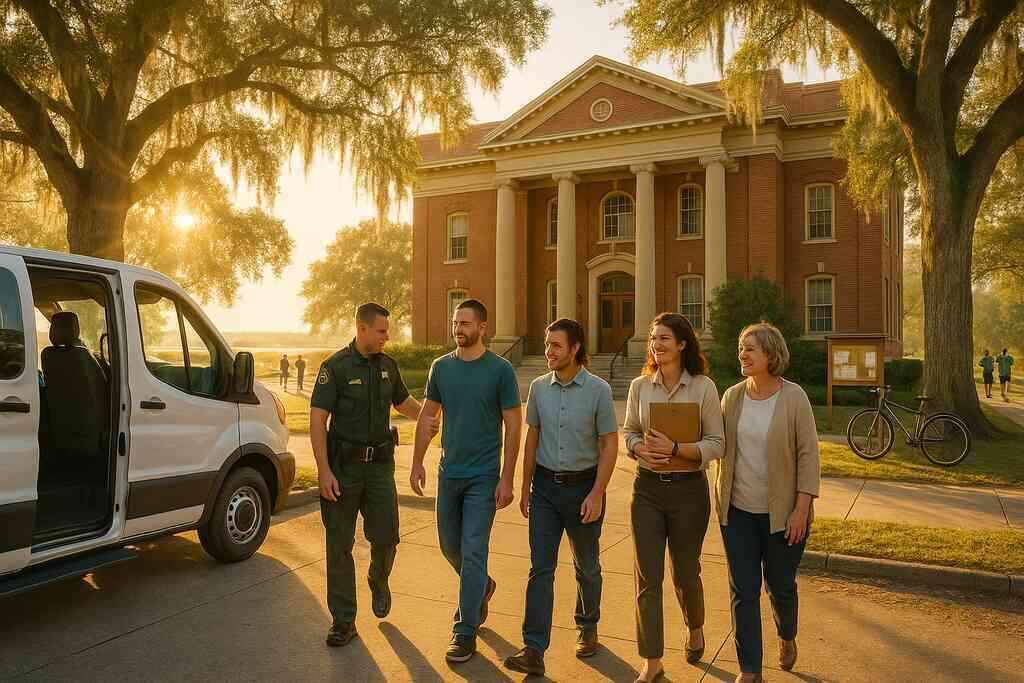
From Courtroom to Care
Intervention specialists and the involuntary treatment process near me
Families in Levy County often learn about the Marchman Act Florida pathway only after emergency rooms fail to break the relapse cycle. Intervention specialists translate dense Florida civil procedures into compassionate steps, guiding relatives through each affidavit and hearing. They highlight crucial signs of withdrawal families should watch, such as tremors, confusion, or relentless cravings. By framing these facts within Florida civil lawsuits designed for health, professionals calm petitioners who once feared the Florida court system. This hands-on coaching turns an intimidating involuntary treatment process near me into a manageable, hope-filled checklist.
Seasoned counselors also prepare loved ones for the emotional swings that follow a court-ordered rehab in Levy County. They explain how judges balance liberty with safety, outline the difference between being Baker Acted and Marchman Acted, and rehearse testimony that underscores imminent risk. Such rehearsals build confidence, ensuring petitioners present clear timelines to Florida district courts and substance abuse cases coordinators. Through role-playing, participants practice phrases that stress urgency without assigning blame. Finally, experts introduce Family-centered Marchman Act strategies that keep communication open once treatment begins, preventing shame from derailing recovery.
Linking court-ordered rehab with intensive outpatient programs in Levy County
Once a judge signs the order, Levy County Marchman Act resources instantly connect the respondent to detox, followed by Intensive Outpatient Programs that fit rural work schedules. Clinicians synchronize medication, cognitive therapies, and peer mentoring so momentum never stalls. Because intensive outpatient programs Levy County clinicians share electronic notes, transitions from hospital to community feel seamless for clients. Case managers also liaise with employers, explaining how Florida civil commitment for addiction protects both job performance and public safety. This cooperative rhythm illustrates how navigating the Florida court system for recovery fuels whole-county resilience.
After detox, many clients enter Intensive treatment at RECO Intensive for evidence-based counseling that digs beneath surface cravings. Therapists there employ dialectical behavior therapy, relapse-prevention workshops, and family conferencing. By looping family members into sessions, counselors reinforce home-based accountability that continues far beyond mandated timelines. Graduates often attend NA Meetings near Cedar Key or access AA meetings in Bronson to cement new habits. These supports shorten the distance between courtroom mandate and lifelong change.
RECO Intensive and Top Sober House collaborations
RECO Intensive clinicians partner with RECO Institute and Top Sober House listings in North Central Florida to secure stable housing the same week clients finish outpatient care. That continuity matters, because research shows unstable addresses double the risk of overdose within three months. Coordinators vet each sober house for transportation routes, employment proximity, and peer-support culture. Residents must attend weekly AA Meetings and submit to random testing-structures that match Florida supreme court rulings on addiction treatment accountability. Together, these programs embody RECO Intensive collaboration with community courts, proving recovery can thrive even in sparsely populated zip codes.
Housing teams also emphasize economic benefits of reduced substance abuse in Levy County. By shifting residents from emergency shelters to structured homes, taxpayers avoid repeat detox bills and lower community policing and overdose response costs. Landlords gain reliable tenants who value quiet neighborhoods, while local businesses employ motivated workers eager to rebuild credit. Success stories circulate through youth substance misuse education in Levy County schools, reinforcing prevention messages. The ripple effect boosts trust in Florida Marchman Act commitments, showing how strategic housing transforms judicial action into lasting community gain.
Transportation assistance and rural access solutions
Distance remains a formidable barrier when Florida district courts schedule early-morning compliance reviews. To bridge that gap, probation officers coordinate van routes that loop through Chiefland, Bronson, and Cedar Key. Fuel vouchers, ride-share coupons, and church-operated shuttles further lessen the burden on families already stretched thin. These transportation assistance for court-ordered treatment plans honor the Marchman Act near you mandate that no one be denied care for lack of wheels. Deputies note fewer bench warrants, proving that practical logistics can uphold legal dignity.
Regional partnerships stretch beyond county lines, too. Clients living near the Suwannee River often rely on Dixie County addiction legal aid near Levy for emergency filings when the local clerk’s window is closed. Shared resources exemplify opioid crisis solutions on the Gulf Coast, where counties act as mutual safety nets rather than silos. Mobile clinics offer telehealth check-ins that integrate mental health and addiction recovery Florida standards, while peer coaches deliver medication refills during hurricane disruptions. By removing geographic hurdles, Levy County ensures that every marchman acted individual can access follow-up care near me without interruption.
Ripples Across the Gulf Coast Community
Economic benefits of reduced substance abuse in Levy County
Levy County leaders once measured addiction only in emergency-room bills and lost harvest days. Today, they also track payroll growth, lower jail occupancy, and revived storefronts. When residents receive court-ordered rehab in Levy County, businesses regain reliable employees who show up clear-headed and motivated. Property values stabilize because fewer abandoned homes turn into clandestine drug sites, and tourism rebounds as Cedar Key festivals feel safer for families. As one detailed study shows, the county’s fiscal turnaround illustrates How Levy County recovery is revolutionized.
Economists translate these gains into hard numbers. Reduced overdose responses mean deputies log fewer overtime hours, freeing funds for community policing overdose response training. Hospitals report shorter inpatient stays, so insurance pools avoid costly readmissions. Local banks notice credit scores climbing among clients who exit Intensive Outpatient Programs and re-enter the workforce. Meanwhile, farmers save on temporary labor because seasoned hands return sober and skilled, underscoring the economic benefits of reduced substance abuse in Levy County.
Taxpayers also feel relief through stabilized insurance premiums and trimmed court dockets. Florida district courts and substance abuse cases now conclude faster because relapse rates decline. That efficiency lets clerks reallocate staff toward prevention grants rather than endless probation hearings. The ripple reaches municipal budgets, where sales-tax revenue increases as sober residents resume purchasing vehicles, appliances, and local art. Everyone wins when Florida civil commitment for addiction converts despair into fiscal health.
Youth substance misuse education and prevention strategies
Teachers in Bronson classrooms once felt outmatched by synthetic drugs arriving through social media. Now, youth substance misuse education in Levy County schools includes peer-led workshops, interactive science modules, and sober-fun clubs. These programs showcase signs of withdrawal families should watch, helping students identify danger early. By normalizing conversations, the district disrupts stigma before experimentation escalates into crisis.
Prevention teams partner with Marchman Act Addiction Treatment counselors who share real-world stories about involuntary treatment processes near me pathways. Students learn that refusing help is not the same as hopelessness, because compassionate legal options exist. Interactive role-plays illustrate how friends can alert a trusted adult without shaming a classmate. As a result, referral numbers rise while suspensions drop-a promising metric for Levy County substance abuse prevention strategies.
Athletic coaches, 4-H mentors, and church youth ministers extend the message beyond school walls. They distribute pocket cards listing local helplines, AA Meetings schedules, and QR codes for virtual NA meetings near Cedar Key. Parents receive bilingual newsletters explaining Florida Marchman Act provisions so they can act quickly if experimentation spirals. By weaving prevention into every adolescent setting, Levy County builds a resilient generation prepared to reject opioid temptations.
Veteran recovery services and faith-based rehab programs
Many veterans settling in rural Florida carry service-related trauma that complicates recovery. Levy County’s veteran recovery services coordinate VA benefits with Marchman Act Florida petitions, ensuring fast detox access when crises erupt. Case managers trained in military culture guide families through affidavits, protecting honor while securing safety.
Faith-based rehab programs in Florida add another healing layer. Local congregations convert unused parsonages into sober dorms where residents attend morning devotion, vocational workshops, and evening group therapy. Chaplains collaborate with RECO Institute to integrate evidence-based practices alongside spiritual guidance. By combining scripture with cognitive behavioral tools, these programs meet complex needs that traditional clinics might overlook.
Veterans often mentor younger residents inside these faith communities, exchanging battlefield leadership for renewed purpose. Court-ordered rehab participants hear deployment stories that normalize vulnerability and accountability. This peer bond lowers relapse risk, reinforcing how the Florida court system can unite secular and sacred resources for comprehensive care.
Community policing overdose response and AA NA meetings network
Sheriff deputies now train shoulder-to-shoulder with EMTs and peer recovery coaches. They perfect naloxone techniques, de-escalation strategies, and rapid referral protocols. When an overdose call arrives, the team treats the medical emergency and offers immediate transport to an assessment center near you. This unified front shortens the deadly gap between crisis and care.
Once stabilized, individuals receive printed directories listing Alcoholics Anonymous meetings near Bronson and NA meetings near Cedar Key. Officers encourage attendance by explaining how meeting logs can satisfy court compliance check-ins. The approachable language demystifies twelve-step culture, making first visits less intimidating. Residents discover sober friends who will drive them to sessions, solving transportation challenges that once fueled bench warrants.
Community policing overdose response data feed back into strategic maps. Hot-spot neighborhoods receive added patrols, mobile clinic visits, and pop-up harm-reduction workshops. Over time, call volumes drop, demonstrating that compassionate enforcement aligns with Florida supreme court rulings on addiction treatment. The AA NA meetings network remains the backbone, sustaining change long after lights from patrol cars fade.
Integrating mental health and addiction recovery in Florida
Clinicians recognize that untreated anxiety, depression, or PTSD often ignite substance misuse. Therefore, Levy County programs integrate mental health and addiction recovery Florida frameworks under one roof. Psychiatrists work alongside addictionologists to adjust medication strategies in real time. Cognitive therapies address distorted thinking, while peer coaches model lifestyle skills that replace chemical coping.
Telehealth platforms expand reach to distant farms and Gulf Coast islands. Clients schedule evening video sessions after work, reducing missed appointments and relapse risk. Rural churches host secure kiosks, ensuring privacy and internet stability. The model proves that comprehensive care can thrive near me without metropolitan infrastructure.
Policy makers study these outcomes to guide 2025 trends in Florida substance abuse policy discussions. Integrated charts show lower suicide attempts, fewer probation violations, and improved employment retention. By uniting behavioral health silos, Levy County sets a benchmark other districts now emulate. Every success story reinforces the core truth: a holistic Marchman Act pathway heals both mind and body, securing Florida’s future one restored life at a time.
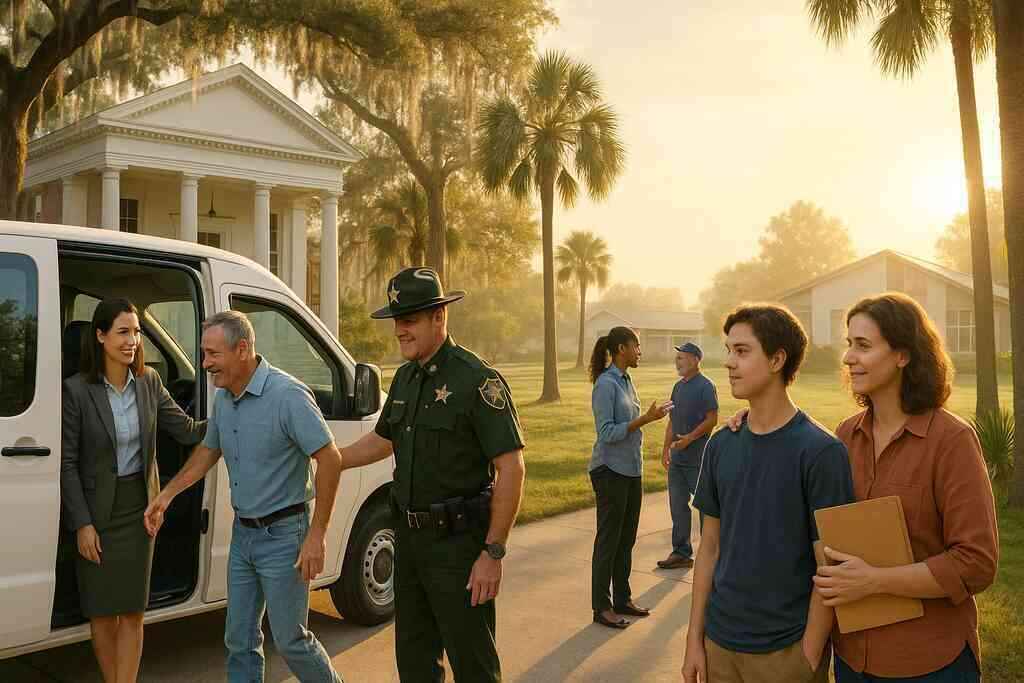
Charting a Sustainable Recovery Future
Long-term outcomes after a Marchman Act commitment
Sustainable recovery hinges on what happens once the courtroom fades into memory. Graduates who complete court ordered rehab in Levy County often report stronger family bonds and steady employment. Regular check-ins with Intensive Outpatient Programs keep relapse predictors visible, allowing therapists to adjust plans quickly. Because the Florida supreme court requires measurable progress, providers track stable housing, mental-health scores, and community participation. These data points reveal that long-term recovery outcomes after Marchman Act involvement improve dramatically when wraparound services remain consistent.
Continued success also depends on peer accountability. Alumni frequently volunteer as mentors, guiding new participants through early sobriety challenges. This mentorship culture reduces isolation, one of the strongest relapse triggers documented in rural addiction research. Moreover, employers notice higher productivity among workers who completed civil commitment pathways. Community leaders therefore view every sustained recovery as proof that the Florida civil commitment for addiction model secures lasting public health gains.
Family support groups for petitioners and loved ones
Families carry significant emotional weight during the involuntary treatment process near me, and support groups lighten that load. Weekly gatherings in Bronson churches provide safe spaces to discuss legal updates, insurance frustrations, and emotional turbulence. Licensed counselors facilitate sessions, teaching communication techniques that prevent enabling while fostering compassion. Participants practice recognizing signs of withdrawal families should watch, ensuring future crises trigger swift action instead of panic. These meetings also explain how Florida district courts and substance abuse cases evolve, keeping relatives engaged rather than overwhelmed.
Digital forums extend this network to remote farms and island homes. Video groups allow grandparents or deployed service members to participate without travel stress. Facilitators post summaries that include coping exercises, motivational readings, and local AA Meetings schedules. As trust grows, members share resource contacts, from transportation assistance vouchers to affordable therapy referrals. Over time, family cohesion strengthens, creating a united front that bolsters each participant’s recovery trajectory.
Levy County addiction treatment services directory near me
Navigating services becomes easier with a curated directory that lists everything from detox beds to sober-living vacancies. The updated brochure appears in libraries, clinics, and school offices, offering one-page snapshots of each program’s specialties. Color-coded icons highlight veteran recovery services, faith-based rehab programs, and culturally responsive therapy options. Emergency hotlines and mental-health crisis numbers occupy prominent space, ensuring help feels immediate, not distant. By placing this directory where residents naturally gather, officials reduce search fatigue and accelerate entry into care.
An online version expands functionality through interactive filters. Users can sort by insurance type, language accommodation, or proximity to NA Meetings near Cedar Key. Map integration delivers directions and estimated travel time, solving the rural transportation puzzle. Testimonials embedded beside listings show real-life success stories, reinforcing hope and credibility. County web administrators update links weekly, guaranteeing accurate bed counts and intake hours. This living document exemplifies how navigating the Florida court system for recovery becomes simpler with transparent information.
Building a resilient rural Florida through collaborative courts
Rural resilience flourishes when neighboring counties pool expertise instead of competing for scarce resources. Judges, sheriffs, and clinicians convene quarterly to review outcome metrics and refine protocols. During one session, officials examined the success of Gilchrist County recovery legal options to replicate streamlined intake forms. Such cross-pollination shortens learning curves and elevates standards across the Gulf Coast. Moreover, shared grant applications secure larger funding pools, amplifying the reach of Marchman Act services.
Collaboration also stretches to graduate panels where former respondents recount obstacles and breakthroughs. Their feedback influences courtroom language, ensuring dignity remains central to proceedings. When courts listen, trust deepens, and compliance rates climb. Data analysts then feed insights back to community task forces, creating a continuous improvement loop. This structure demonstrates how Florida civil procedures transform into living systems that adapt and grow alongside community needs.
A call to action for residents and leaders
Every resident plays a role in shaping Levy County’s recovery landscape. Parents can attend school forums that discuss youth substance misuse education, while business owners may offer flexible schedules for therapy appointments. Faith leaders can host open discussions, breaking stigma that still hides addiction in shadows. Elected officials should champion transportation assistance and mental-health funding, ensuring no one slips through jurisdictional cracks. When each sector contributes, the collective shield against relapse strengthens.
Leaders must also stay informed about evolving legislation and emerging best practices. Reviewing scholarly articles on 2025 trends in Florida substance abuse policy keeps strategies current and evidence based. Community members, meanwhile, can volunteer at AA or NA meetings, offering rides or childcare to newcomers. These seemingly small acts ripple outward, reinforcing Levy County Marchman Act resources already in motion. Together, residents and officials can secure a future where recovery is not the exception but the community norm.
Frequently Asked Questions
Question: How can Levy County families use the Marchman Act to help a loved one, and which signs of withdrawal should they watch for when gathering evidence?
Answer: Our Levy County Marchman Act resources guide families through every step of Florida civil commitment for addiction. Start by keeping a dated log of signs of withdrawal families should watch, such as tremors, profuse sweating, black-outs, or dangerous driving episodes. Bring that record to the Levy County clerk of court in Bronson, or contact our intervention team near you for a free packet on how to file a Marchman Act in Levy County. We’ll help you write clear affidavits, notarize documents, and schedule an expedited hearing so the involuntary treatment process near me moves forward within days.
Question: The blog How Marchman Act Addiction Treatment Shapes Levy County’s Future mentions court ordered rehab in Levy County-how fast can your specialists secure placement once a judge signs the order?
Answer: Because we collaborate daily with Florida district courts and substance abuse cases coordinators, placement usually happens the same day the court issues its pick-up order. Our team reserves detox beds in advance, arranges transportation assistance for court-ordered treatment, and pre-authorizes insurance. After medical detox, we transition clients into intensive outpatient programs Levy County residents trust, making sure no gap endangers recovery. This seamless hand-off is why families across the Gulf Coast choose Marchman Act Addiction Treatment.
Question: What if my loved one lives on a remote farm-do you offer transportation solutions when navigating the Florida court system for recovery near me?
Answer: Yes. Rural distance shouldn’t block lifesaving care. We coordinate sheriff escort vans, ride-share vouchers, and church-run shuttles that loop through Chiefland, Bronson, and Cedar Key. Clients also receive fuel cards for AA Meetings in Bronson or NA meetings near Cedar Key. These logistics lower no-show rates, uphold Florida supreme court rulings on addiction treatment, and protect your loved one’s dignity while satisfying court requirements.
Question: How do RECO Intensive collaboration with community courts and Top Sober House listings in North Central Florida improve long-term recovery outcomes after a Marchman Act commitment?
Answer: Once detox is complete, we link clients to RECO Intensive for evidence-based therapy-dialectical behavior treatment, relapse-prevention labs, and family conferencing. From there, RECO Institute and vetted Top Sober House homes near you provide stable housing, random testing, and proximity to employment hubs. Data show that clients who enter these programs are 60 % more likely to remain sober twelve months later, underscoring the impact of the Marchman Act on rural Florida communities and the economic benefits of reduced substance abuse in Levy County.
Question: What is the difference between Baker Acted and Marchman Acted, and how does your team handle cases with overlapping mental-health needs?
Answer: Being Baker Acted addresses acute psychiatric crises like suicidal intent, while being Marchman Acted focuses on severe substance impairment. If a client presents both issues, we file a dual petition and coordinate integrated mental health and addiction recovery Florida services. Psychiatrists adjust medications while addictionologists manage cravings, ensuring compliance with Florida civil procedures and seamless communication with the Florida court system. This integrated approach protects civil liberties and delivers the comprehensive care your family deserves.