
Beyond Desperation to Direction: The Lee County Marchman Act Overture
Why the marchman act near Lee County matters for families right now
Families in Lee County often feel cornered when addiction dominates the household. The Marchman Act filing in Lee County transforms panic into a structured legal lifeline. This statute authorizes courts to mandate assessment and care when voluntary options collapse. That power matters because substance use disorder frequently blinds loved ones to consequences. Courts step in, ensuring personal safety and public welfare remain intact.
Lee County’s proximity to major highways accelerates drug availability and relapse risk. Local hospitals report rising overdoses, amplifying community urgency. A Marchman Act petition channels that urgency into civil action, not criminal punishment. Petitioners seek involuntary addiction treatment Florida statutes permit, protecting dignity and limiting stigma. Such intervention aligns with Florida civil procedures for Marchman Act oversight.
When signs of withdrawal escalate to a civil safety issue
Shaking hands and sleepless nights are early signs of withdrawal to watch for. However, hallucinations, seizures, or violent confusion quickly escalate the threat. At that point, the matter transcends personal discomfort and enters public safety territory. Florida civil law recognizes intoxication emergencies as grounds for protective custody through the Marchman Act. Courts can order stabilization before irreversible harm spreads to others.
Families sometimes hesitate, fearing they may overreact or alienate their loved one. Medical data shows delayed care increases overdose probabilities and long-term cognitive damage. By invoking the Act, relatives gain immediate court support for emergency detox placement. Local judges coordinate with law enforcement and hospitals for safe transport and evaluation. This coordination preserves constitutional rights while prioritizing medical necessity.
How Florida civil court timelines shape urgent decisions
Timing is everything once withdrawal symptoms turn dangerous. Lee County substance abuse court process operates under strict filing windows. Clerks schedule hearings within days; missing paperwork can reset the clock. Every delay risks medical crises or legal liability for caretakers. Understanding these timelines empowers families to act decisively rather than react later.
Florida district courts review any contested orders, and the Florida Supreme Court may assess appeals. Although rare, those reviews underscore the need for accurate initial petitions. Experienced attorneys streamline documentation, reducing procedural detours. They also ensure evidence aligns with Florida court ordered rehab services criteria. Swift compliance keeps the individual in treatment instead of revolving through emergency rooms.
Jurisdictional Jigsaw Navigating Florida Civil Procedures with Confidence
Marchman Act versus Baker Act understanding divergent legal tools
The two statutes share protective goals, yet their scopes remain distinct. Mental health crises usually trigger the Baker Act, while substance use emergencies fuel the Marchman Act. A quick review of the Differences between Marchman and Baker Act in Florida clarifies eligibility, holding periods, and evidentiary burdens. This comparison helps petitioners choose the correct statute before filing any paperwork. Selecting the right tool prevents dismissal and speeds access to medical care.
Families sometimes feel tempted to file both statutes to cover every possibility. Doing so can backfire because judges may see it as forum shopping. Instead, gather evidence that squarely supports involuntary addiction treatment Florida courts authorize under the Marchman Act. Clear documentation of overdose history, erratic behavior, and failed voluntary treatment strengthens the civil petition. Precision shows respect for judicial resources and boosts credibility during the initial hearing.
Filing a Marchman Act petition inside the Lee County court system
Lee County clerks maintain strict requirements for petition format, notarization, and service. Petitioners must list recent incidents, note prior treatment attempts, and confirm residence within county limits. Missing a single signature can delay the case and extend exposure to relapse danger. Early collaboration with an attorney or intervention specialist reduces those clerical pitfalls. Such guidance aligns every sentence with the Florida civil lawsuits standard.
After filing, the clerk schedules a hearing often within days, so readiness matters. Gather witnesses able to testify about dangerous substance use patterns and signs of withdrawal. Medical records and police reports carry significant weight because judges trust objective documentation. The goal is establishing imminent risk and need for Florida court ordered rehab services. When evidence rings credible, the court swiftly issues an assessment or stabilization order.
Cost to file and hidden fees in Florida civil lawsuits
Filing a Marchman Act petition is more affordable than many assume, yet fees still accumulate. Standard clerk charges, sheriff service costs, and possible process-server expenses can surprise unprepared families. Budgeting for document copies and certified mail avoids last-minute financial stress. Some petitioners qualify for fee waivers when income falls below court thresholds. Asking the clerk about indigency forms early prevents unnecessary debt.
Additional costs surface after the initial order. Court-appointed attorneys, expert witnesses, and transport services might create invoices. Detox facilities sometimes bill insurance, but co-pays land on families. Understanding these hidden charges allows for proactive financial planning. Transparent conversations with providers keep surprise bills from overshadowing recovery progress. Strategic budgeting preserves resources for long-term outpatient or residential care later.
Appealing outcomes through Florida district courts and the Florida supreme court
Occasionally, a judge denies a petition or terminates treatment prematurely. Families can appeal to Florida district courts, but deadlines are strict. A notice of appeal must reach the clerk quickly, and transcripts must be ordered. Appellate briefs then argue procedural error or misapplied law, not simple disagreement with facts. Precision and professional writing win the day at this level.
If district judges split on interpretation, the Florida Supreme Court may review the case. This step is rare yet critical for statewide precedent. Petitioners need seasoned counsel because filings must reference constitutional principles and legislative intent. Success can strengthen protections for other families statewide. Even when appeals fail, the process teaches valuable lessons about evidence, deadlines, and respectful advocacy.
Coordinating emergency stabilization with local hospitals and law enforcement
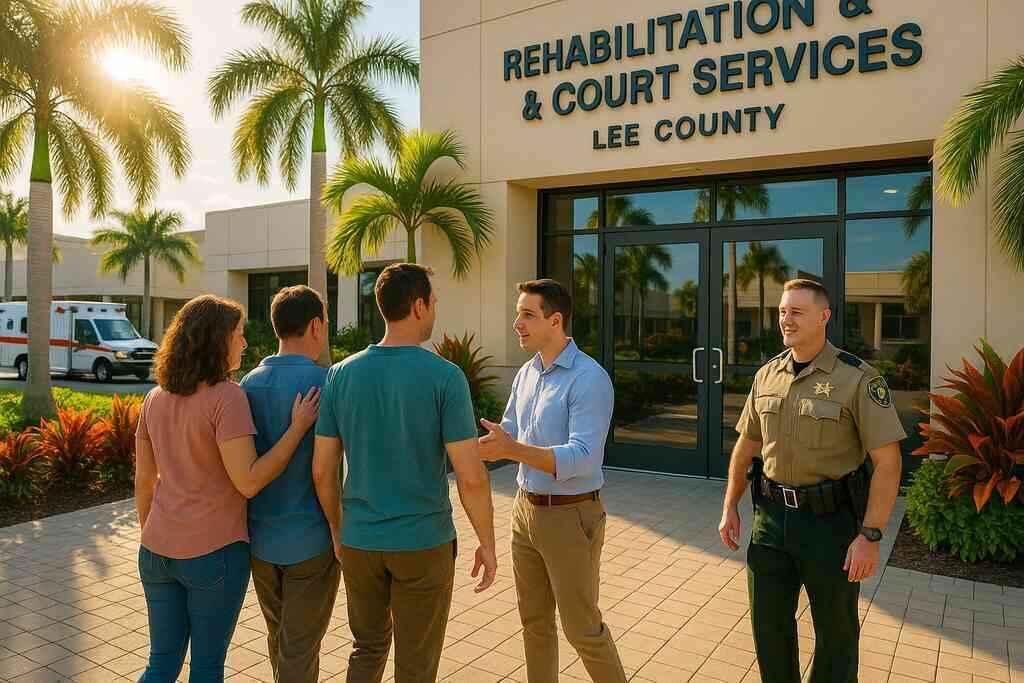
Once the court issues a pick-up order, execution speed saves lives. Deputies collaborate with EMS teams to transport the individual safely, avoiding confrontation. Hospitals equipped for detox perform initial medical clearance before transferring to licensed providers. Communication among agencies ensures continuity and reduces duplication of tests. Families should provide contact numbers for treating physicians to streamline admission.
Confidentiality rules still apply during this scramble. Health records remain protected, so consent forms must be signed quickly once the person is stabilized. Law enforcement then files a return of service proving the order’s execution. Accurate paperwork keeps the Lee County substance abuse court process transparent and defensible. That diligence closes the loop between public safety and therapeutic care, reinforcing trust in the Marchman Act Lee County framework.
Tactical Intervention Playbook From Petition to Courtroom Victory
How to marchman act a loved one step by step
Filing a Marchman Act petition begins with calm planning, not frantic guesses. First, gather recent incidents that prove danger, such as overdoses or violent outbursts. Next, download the Lee County forms and confirm every space aligns with Florida civil procedures. Then, recruit another relative or friend because two petitioners strengthen credibility under the Florida court system. Finally, file with the clerk and request an expedited hearing so withdrawal risk does not spiral.
After submission, track the clerk’s timeline daily. Courts usually schedule the initial review quickly, yet missing notices derails momentum. Prepare a concise narrative that spotlights clear signs of withdrawal and failed voluntary attempts. Bring hospital discharge summaries, police reports, and text messages that show impaired judgment. Organized evidence prevents confusion and demonstrates respect for Florida civil lawsuits guidelines.
Partnering with addiction intervention specialists near Fort Myers
Family members often feel overwhelmed by legal jargon and emotional strain. Professional interventionists translate both worlds, turning fear into measurable strategy. They coach relatives on language that judges trust and ensure documentation meets statutory thresholds. Moreover, they coordinate transport logistics so the loved one arrives safely once the court issues a pick-up order.
These specialists also map treatment levels, from medical detox to Intensive Outpatient Programs. When the court asks about placement options, the team can present vetted facilities, including Florida court ordered rehab programs. Such readiness reassures the judge that care will start immediately, reducing the chance of a premature release. Consistent follow-up calls keep everyone informed, limiting miscommunication that could stall recovery.
Courtroom tips for Marchman Act hearings that judges respect
Arrive early and dress professionally; every visual cue influences credibility. Speak slowly, using factual statements instead of emotional tirades. Refer to the respondent by name, not labels like “addict,” because dignity matters under the Florida Marchman Act. When questioned, cite specific events rather than vague memories, and always tie them back to imminent risk. Judges rely on clarity when weighing involuntary addiction treatment Florida statutes permit.
Use respectful body language toward the opposing counsel or guardian ad litem. Doing so shows you honor due process within the Florida district courts hierarchy. Avoid interrupting, even if statements feel misleading; your attorney will object when appropriate. Finally, thank the judge for safeguarding public health, reinforcing that you view the court as an ally rather than an obstacle.
Leveraging community testimony without jeopardizing legal rights
Neighbors, employers, and pastors often witness destructive patterns the family rarely sees. Their testimony broadens the narrative, proving the crisis affects more than the household. However, balance transparency with privacy to prevent defamation claims. Provide witnesses with written guidelines that outline acceptable topics: observable behavior, missed work, or property damage.
Before the hearing, rehearse direct questions that elicit concise facts, not speculation. Remind each witness to avoid diagnosing or using medical terms unless qualified. That restraint honors Florida supreme court standards for lay testimony. Also, submit any letters to opposing counsel in advance, satisfying discovery rules and preventing objections. Thoughtful preparation turns community support into persuasive evidence while safeguarding everyone’s legal rights.
Clinical Continuum Quest: Treatment Pathways and Community Anchors
Intensive Outpatient Programs near me selecting the right fit in Cape Coral
Cape Coral hosts a growing roster of Intensive Outpatient Programs near me that emphasize flexibility and accountability. Families appreciate these addiction treatment services in Cape Coral because daily commitments remain intact during structured therapy blocks. Clinical teams first screen for medical stability and signs of withdrawal to watch for before enrollment. Many programs coordinate directly with Florida court ordered rehab services when a Marchman Act Lee County order guides admission. Understanding the Role of intensive outpatient programs empowers families to evaluate session frequency, medication protocols, and peer support models.
Selecting the right fit starts with verifying accreditation and therapist credentials rather than glossy marketing materials. Ask whether the program offers evening tracks, allowing workers or students to maintain commitments without compromising care. Insurance preauthorization timelines vary, so request a benefits check before setting an intake date. Families should also evaluate transport distance, because traffic across the Caloosahatchee River can disrupt attendance. Finally, confirm weekly family therapy slots exist; collaborative sessions reduce resentment and increase long term engagement.
Integrating RECO Intensive and RECO Institute for seamless aftercare
Completion of an IOP marks progress, yet aftercare decisions cement recovery longevity. Many families transition into Fort Myers based RECO Intensive aftercare for specialized relapse conditioning. The program syncs with RECO Institute sober living houses, creating consistent therapeutic language across settings. Case managers share progress data with original IOP therapists to avoid gaps in cognitive behavioral strategies. That closed-loop system satisfies Florida civil procedures for Marchman Act monitoring by documenting daily attendance and drug testing.
RECO teams also coordinate medication management, preventing dosage confusion during residence changes. Weekly alumni groups invite graduates to mentor newcomers, reinforcing accountability and leadership skills. Families receive monthly status updates that translate clinical jargon into practical milestones. Because the institute partners with several Southwest Florida hospitals, urgent medical needs transition smoothly into specialist care. Such integration minimizes emergency room detours and keeps recovery momentum intact.
Top sober house placements across Southwest Florida
Finding the right sober house transforms abstract coping skills into daily living habits. Southwest Florida offers gender-specific homes, faith-based options, and executive accommodations for working professionals. Each residence enforces curfews, random testing, and community service hours to mirror courtroom obligations. Prospective tenants should request the handbook to confirm policies regarding visitors, vehicles, and employment searches. Interview current residents to gauge morale, because peer culture predicts relapse resistance better than décor does.
Some top sober houses coordinate directly with parole officers and Lee County substance abuse court process liaisons. This coordination means drug-screen results and attendance logs automatically satisfy judicial reporting requirements. Houses near public transit benefit residents who lost driving privileges during earlier charges. Meanwhile, beachfront properties encourage outdoor exercise, boosting dopamine naturally and improving mood stability. Always cross-check county zoning compliance; illegal operations fold quickly and jeopardize occupant stability.
AA meetings schedule in Lee County and NA meetings near Cape Coral
Peer fellowship remains the backbone of sustainable sobriety, especially once court oversight diminishes. Lee County hosts sunrise and evening AA meetings, ensuring every work shift finds accessible support. Most gatherings follow an open format where newcomers listen before sharing personal narratives. Groups emphasize the Twelve Steps, yet welcome participants from diverse spiritual perspectives. The updated AA meetings directory for Lee County area lists times, wheelchair access, and child-care availability.
NA meetings near Cape Coral mirror the AA structure but tailor readings toward drug-specific cravings. Speaker nights feature long-term members who survived fentanyl epidemics and legal entanglements. These testimonies resonate with individuals fresh from involuntary addiction treatment Florida courts mandated. Meeting secretaries often sign attendance slips, satisfying probation or Marchman Act monitoring conditions. Because schedules shift, users should verify times through hotline calls before traveling.
Community relapse prevention programs near Fort Myers beach
Structured leisure activities keep boredom, a prime relapse trigger, at bay. Fort Myers Beach nonprofits host paddle-board clinics, volunteer trash sweeps, and sunset meditation circles. Participants practice mindfulness while building sober social networks beyond clinical walls. Registration fees remain low because grants subsidize equipment, opening access to individuals paying court fines. Program coordinators distribute fliers highlighting Relapse prevention with Marchman Act plans for participants still under judicial supervision.
Clinicians often attend these events, offering brief check-ins that reinforce coping strategies learned in therapy. Mobile health apps track attendance and mood, sending alerts to sponsors when stress indicators spike. Such technology aligns with Florida civil court timelines by documenting proactive relapse prevention efforts. Employers near the beach sometimes negotiate flexible hours, allowing newly sober staff to join midday programs. Consistent engagement here decreases emergency stabilization orders and eases strain on local hospitals.
Long term recovery plans through Florida Marchman Act monitoring
Court oversight eventually ends, yet optional monitoring agreements extend accountability without coercion. Families draft these plans during final hearings, specifying random testing frequency and therapist review checkpoints. Because Florida civil lawsuits emphasize due process, participants sign voluntary consent before any monitoring begins. Insurance companies often reward continued oversight with reduced premiums, recognizing lowered hospitalization risk. Progress reports feed into encrypted databases that the Florida court system can review if relapse signs return.
Long term plans also integrate career counseling, ensuring financial stability matches emotional resilience. Vocational milestones give individuals measurable successes beyond simply avoiding substances. Families schedule quarterly celebrations, reinforcing achievement through positive social reinforcement instead of fear. When monitored progress spans two full years, many participants mentor newcomers, embodying the recovery renaissance mindset. Such peer leadership echoes Florida supreme court sentiments that therapeutic jurisprudence benefits society at large.

The Recovery Renaissance Sustaining Momentum After Court Closure
Measuring success rates of Marchman Act interventions
Reliable outcome tracking separates hope from proof. Therefore, families in Lee County examine relapse data, employment records, and hospital admissions six months after discharge. When those metrics improve, the court-ordered process gains legitimacy and community buy-in. Clinicians also review psychological scales to gauge anxiety and depression shifts because emotional stability predicts long-term sobriety better than clean urine alone. Together, these quantitative and qualitative markers create a living dashboard for stakeholders.
Even stronger insight emerges when comparing cohorts who accepted voluntary care with those guided by involuntary addiction treatment Florida statutes. Repeated studies show compelled participants often reach similar, or even higher, retention numbers because the legal structure holds them steady through early resistance. After compulsory windows close, many continue treatment voluntarily, demonstrating internalized motivation. This shift from external pressure to internal drive defines the Marchman Act Lee County success narrative. Continuous review keeps policymakers willing to fund enhanced services.
Family support resources in Lee County that actually show up
Loved ones cannot carry recovery alone, yet they anchor the journey. Lee County libraries now host free psychoeducation nights that demystify brain chemistry and the Florida court system simultaneously. Local churches supply childcare vouchers during meetings, erasing a barrier that once silenced overwhelmed parents. Meanwhile, peer-led groups train relatives to identify subtle signs of withdrawal that forecast trouble before it explodes. These workshops blend empathy with science, ensuring help feels compassionate, not clinical.
Additionally, digital platforms provide on-demand coaching through secure video calls. Certified specialists advise caregivers on medication adherence, courtroom updates, and boundary setting. Such immediate access lowers burnout, preventing reactive decisions that could sabotage hard-won progress. For broader navigation, the county’s behavioral health office publishes a directory linking transportation grants with sliding-scale therapy programs. By uniting these elements, families gain a resilient network that “actually shows up” long after headlines fade.
Maintaining legal protections during ongoing Florida civil procedures
Court orders expire, yet legal obligations linger in subtle ways. Probation, housing contracts, and employment agreements often reference earlier findings from the Lee County substance abuse court process. Therefore, participants must understand how to maintain compliance as they transition into normal life. Attorneys recommend archiving every progress note, negative drug screen, and employment review in chronological order. Meticulous documentation proves continuing diligence should any future dispute arise.
Furthermore, follow-up hearings sometimes address outstanding financial obligations or modification requests. Knowing Florida civil procedures for Marchman Act extensions reduces anxiety and prevents missed deadlines. Families may consult an advocate to pre-review filings, ensuring language aligns with statutory requirements. If conflict escalates into appeals, well-organized records help navigate Florida district courts efficiently. That preparation preserves rights and shields recovery momentum from administrative turbulence.
Evolving from crisis management to lifelong wellness stewardship
Emergency intervention saved a life; stewardship saves a lifetime. Once legal oversight ends, individuals shift focus from “avoiding relapse” to crafting expansive wellness goals. Nutrition plans, career mentoring, and hobby exploration replace courtroom calendars. This proactive mindset reframes sobriety as an opportunity engine rather than a punishment avoidance scheme. Success feels sustainable because it now reflects personal aspirations.
Community mentors urge graduates to mentor others, reinforcing accountability loops that no statute can mandate. Alumni often reference online hubs filled with Florida Marchman Act resources to stay updated on policy changes and new therapeutic modalities. Engaging with these materials keeps knowledge current and civic engagement high. Ultimately, the transformation from crisis responder to wellness architect embodies the recovery renaissance. Continuity, curiosity, and community weave together to sustain momentum long after court doors close.
Frequently Asked Questions
Question: How do I begin filing a Marchman Act petition in Lee County, and what hands-on help does Marchman Act Addiction Treatment provide during the Lee County substance abuse court process?
Answer: The first step is gathering clear evidence of danger-recent overdoses, violent outbursts, or other signs of withdrawal to watch for. Marchman Act Addiction Treatment supplies a step-by-step Marchman Act guide, pre-checks every form against Florida civil procedures, and even accompanies you to the clerk’s office if desired. Our Florida intervention specialists draft affidavits, line up the two required petitioners, and coordinate with local hospitals for emergency stabilization once the court issues the order. By removing clerical errors and timing missteps, we keep your loved one on the fast track to court ordered rehab services instead of another ER visit.
Question: What is the key difference between the Marchman Act and Baker Act, and how does your team make sure families choose the right statute for involuntary addiction treatment Florida courts will uphold?
Answer: The Baker Act covers acute mental health crises, while the Marchman Act focuses on substance use emergencies. Filing the wrong statute can trigger a dismissal or delay. Our specialists review police reports, medical records, and witness statements to confirm the issue is addiction-driven. We then tailor the petition to meet the evidentiary burden unique to the Marchman Act Lee County court system-demonstrating lack of self-control over alcohol or drugs and imminent danger. This precision streamlines court approval, protects civil rights, and avoids the forum shopping concerns judges dislike.
Question: How much does it cost to file a Marchman Act petition, and can Marchman Act Addiction Treatment help families avoid hidden Florida civil lawsuit fees?
Answer: Lee County clerk filing fees typically range from $0 to $400 depending on fee-waiver eligibility. Add sheriff service charges ($40-$90), certified mailing, and possible process-server costs if the respondent evades service. Our office prepares indigency applications, bundles documents to cut copy fees, and relies on e-filing whenever possible. We also negotiate discounted transport and detox intake rates through our statewide provider network. The result is a transparent budget that prevents sticker shock while still delivering rapid, life-saving intervention.
Question: How do Intensive Outpatient Programs near me-such as RECO Intensive and RECO Institute-work with Florida court ordered rehab plans once a Marchman Act petition succeeds?
Answer: After court-mandated stabilization, many clients step down into Intensive Outpatient Programs near Cape Coral for skills building and daily monitoring. Marchman Act Addiction Treatment coordinates seamless hand-offs to RECO Intensive’s day or evening tracks and secures a sober living bed at RECO Institute if housing is unstable. Attendance, drug screens, and counseling hours flow back to the court in real time, satisfying Lee County civil court timelines and reinforcing relapse prevention. This integrated continuum converts a short-term civil order into a long-term recovery scaffold.
Question: The Ultimate Guide to Marchman Act’s Role Near Lee County 2025 mentions rising success rates. How does Marchman Act Addiction Treatment sustain those gains long after the judge closes the case?
Answer: Success hinges on post-court accountability. We craft optional monitoring agreements-random testing, therapist check-ins, and family meetings-that extend beyond statutory timelines without feeling coercive. Our alumni liaison matches graduates with AA meetings in Lee County, NA meetings near Cape Coral, and community relapse prevention programs around Fort Myers Beach. Every milestone is logged in a secure portal so families, employers, and-if needed-Florida district courts can verify ongoing compliance. By turning crisis management into lifelong wellness stewardship, we transform a mandatory Marchman Act episode into a durable, self-directed recovery journey.